Source c cummins genset turbocharger for Marine, Land, Diesel Generators
Find 30 c cummins genset turbocharger options from suppliers in China. Compare models like 6CT, 6BTA, and Nt855 with certifications including CE and ISO9001 for Cummins engine applications.
Key considerations
Products List


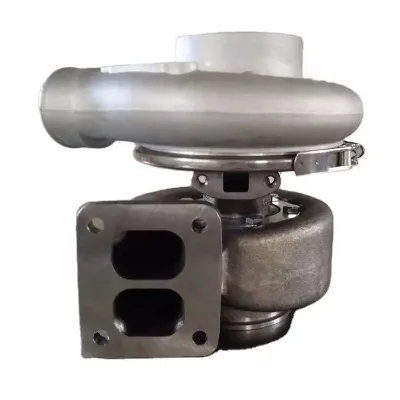
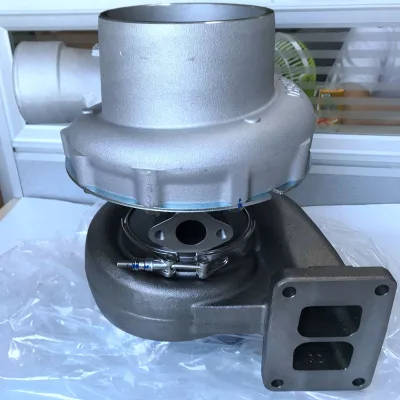
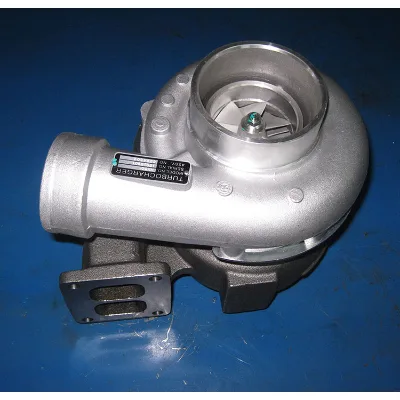
Comprehensive Sourcing Guide
Strategic Sourcing Guide for Cummins Genset Turbochargers
Understanding Technical Specifications and Compatibility
When sourcing turbochargers for Cummins generator sets, the primary objective is ensuring precise compatibility with the engine architecture. The available market data indicates a strong focus on the Cummins 6B, 6C, and 6L series, alongside specific models such as the 6CT and 6BTA (134kw/180HP). Buyers must recognize that these engines often require specific part numbers to maintain operational integrity. The observed product listings highlight critical identifiers including part numbers 3528794, 4046498, 3595508, 4050195, and 4050236. Additionally, specific turbocharger models like the T46 and the 3960454 are frequently associated with the Nt855 series.
The technical construction of these components is a vital consideration. Most units observed in the supply chain are manufactured using iron for the main body, while some variants utilize alloy materials for specific body components. The manufacturing technique is predominantly casting, which influences the structural density and thermal resistance of the turbocharger. The turbine component is a central element, often described as a centrifugal type within the ETS (Exhaust-Gas-Turbo-Super-Charger) category. The installation method is typically fixed, designed for both land-based and marine applications.
It is essential for buyers to verify the specific application context. While many units are marketed for Cummins Engine Assy and Cummins Engine Spare Parts, some listings also reference applications for Volkswagen, indicating a need for rigorous cross-referencing of part numbers before purchase. The condition of the product is a key differentiator; the majority of available inventory is listed as "New" or "Genuine," though buyers must confirm this status individually as "New" is the standard expectation for replacement parts in this category.
Compliance, Certification, and Quality Standards
Navigating the compliance landscape for industrial turbochargers requires a clear understanding of the certifications and standards that validate product quality. The supply chain data reveals a variety of certification markers associated with these components. Common certifications observed include CE and ISO9001. Some listings specifically mention ISOCCC, while others reference ISO CB. The presence of these certifications suggests adherence to international safety and quality management systems, though buyers must verify the specific scope of these certificates for the exact batch they intend to purchase.
The standard classification for these components is often listed as "Standard Component," yet specific product standards are also noted, such as the "4044427 turbocharger" standard or ISO CB. The term "To be continued" appears in some product standard fields, which signals that buyers should request explicit documentation regarding the manufacturing standard rather than relying on placeholder text. Quality is consistently described as "New" and "Genuine," but the absence of a specific test result in the general data means that independent verification is necessary.
Buyers should treat the listed certifications as observations of the supplier's claims rather than universal guarantees for every unit. The presence of CE and ISO markers is a positive indicator, but the specific version of the ISO standard (e.g., 9001) must be confirmed against the buyer's internal compliance requirements. Furthermore, the origin of the product, primarily Mainland China with specific hubs in Xiangyang City, Hubei, Hangzhou, and Jiangshu, should be factored into the compliance review, as regional manufacturing practices can vary.
Cost Drivers and Pricing Dynamics
The pricing structure for Cummins genset turbochargers exhibits significant variance, reflecting differences in part numbers, material composition, and supplier positioning. The observed price range in the market spans from 1 USD to 1200 USD. This wide disparity is not arbitrary; it is driven by the complexity of the part, the specific engine model it serves, and the inclusion of additional features such as custom packaging or specific certification documentation.
Several factors influence the final cost. The material composition plays a role, with iron-based units potentially differing in price from those incorporating alloy bodies. The specific model number is a primary cost driver; high-performance models like the 6BTA or those serving the Nt855 series may command higher prices than standard components for the 6B series. Additionally, the packaging type, whether a simple carton case or a robust wooden case, can impact the overall cost due to material and logistics expenses.
Buyers should also consider the Minimum Order Quantity (MOQ) as a cost factor. The observed MOQ range is between 1 and 20 units. Purchasing at the lower end of this range (MOQ 1) is feasible for small-scale repairs or testing, while bulk orders (up to 20 units) may offer better unit economics. The lead time is another variable affecting cost; a delivery time of "Usually Within 3 Days After Payment Receipt" suggests a rapid turnaround, which might be priced at a premium compared to slower, scheduled shipments.
Typical Applications and Operational Context
The operational environment for Cummins turbochargers is diverse, ranging from stationary power generation to mobile marine applications. The data explicitly identifies these components as suitable for Cummins Engine Assy and Cummins Engine Spare Parts, confirming their primary role in maintaining engine performance within generator sets. The specific models listed, such as the 6CT and 6BTA, are widely used in industrial and commercial power generation scenarios.
The conditions of use are a critical factor in selection. The available data specifies that these turbochargers are designed for both "Land Use" and "Marine" environments. This dual applicability implies that the components must withstand varying humidity, temperature fluctuations, and vibration profiles. For marine applications, the corrosion resistance provided by the iron or alloy body materials becomes particularly important.
Furthermore, the generator type is specified as a "Diesel Generator," which dictates the thermal and pressure loads the turbocharger must endure. The electric turbocharger type is noted as centrifugal, a standard configuration for diesel engines that relies on exhaust gas energy to spin the turbine. Buyers must ensure that the selected turbocharger matches the specific horsepower and kilowatt output of their generator set, such as the 134kw/180HP rating associated with the 6BTA model, to prevent under-performance or mechanical failure.
Supplier Evaluation and Origin Verification
Evaluating suppliers for Cummins turbochargers requires a meticulous approach to verifying their origin and capabilities. The supply data indicates that products originate from Mainland China, with specific mentions of Xiangyang City in Hubei, Hangzhou, and Jiangshu. While these locations are known industrial hubs, buyers should not assume uniform quality across all suppliers in these regions. The presence of "Customization: Available" suggests that some suppliers offer tailored solutions, which can be a valuable asset for specialized generator setups.
When assessing a supplier, buyers should look for evidence of the claimed certifications, such as CE, ISO9001, or ISOCCC. The ability to provide a sample is another positive indicator of supplier confidence and quality control, as noted in the data where "Sample: Yes" is listed. This allows buyers to physically inspect the product for casting quality, material integrity, and part number accuracy before committing to a larger order.
The packaging method is also a proxy for supplier professionalism. Options include "Carton Case," "Wooden Case," or "Cartons, Wooden Cases." The choice of packaging often reflects the supplier's attention to protecting the component during transit, which is crucial for delicate turbocharger assemblies. A supplier offering wooden cases for heavy-duty components like the 15kg gross weight units demonstrates a commitment to safe delivery.
Quality Control and Inspection Protocols
Implementing a robust quality control protocol is essential when sourcing industrial turbochargers. Given that the observed product attributes include "New" and "Genuine" conditions, buyers must establish verification steps to confirm these claims. The gross weight of 15kg for certain units provides a tangible metric for inspection; any significant deviation from this weight could indicate missing components or material substitution.
Inspection should focus on the casting quality and the integrity of the turbine component. Since the manufacturing technique is casting, visual and dimensional checks are necessary to identify any porosity, cracks, or surface irregularities. The part numbers, such as 3528794 or 4046498, must be verified against the engine's service manual to ensure exact compatibility. The "Fixed" installation method should be confirmed to ensure that mounting points align correctly with the engine block.
Buyers should also verify the "Conditions of Use" to ensure the turbocharger is rated for the specific environment. For marine applications, additional corrosion testing or coating verification might be required. The presence of a "Runoff" ETS type suggests specific flow characteristics that should be validated against the engine's exhaust system design.
Long-Term Procurement and Maintenance Considerations
Sourcing turbochargers is not merely a transactional activity but a strategic decision impacting long-term operational reliability. The lead time of "Usually Within 3 Days After Payment Receipt" is advantageous for minimizing downtime, but buyers should consider the implications of supply chain stability. Relying on a single source for critical components like the 6CT or Nt855 turbochargers can pose risks if that supplier faces production delays or quality issues.
Developing a relationship with suppliers who offer customization and sample availability can provide a competitive edge in maintenance planning. The ability to source specific part numbers like 3802909 or 3802289 ensures that replacements are readily available when needed. Furthermore, understanding the standard component nature of these parts allows for easier integration into existing maintenance schedules.
Buyers should also plan for the lifecycle of the turbocharger. The "New" condition implies a full service life, but the actual longevity depends on the operating conditions and maintenance practices. Ensuring that the selected turbocharger meets the specific power requirements of the generator set, such as the 134kw/180HP output, will help maximize its lifespan. Regular inspection of the turbine and compressor wheels, along with monitoring for oil leaks or unusual noises, will be critical for maintaining the performance of the Cummins genset over the long term.
Comparative Analysis of Key Product Attributes
To facilitate informed decision-making, the following table summarizes the key attributes observed in the market for Cummins genset turbochargers. This comparison highlights the variability in specifications, certifications, and origins that buyers must navigate.
| Attribute Category | Observed Values | Notes for Verification |
|---|---|---|
| Engine Series | 6B, 6C, 6L, 6CT, 6BTA, Nt855 | Match specific HP/kW ratings (e.g., 134kw/180HP) |
| Part Numbers | 3528794, 4046498, 3595508, 4050195, 4050236, 3802909, 3802289, 3960454, T46 | Cross-reference with engine service manual |
| Material | Iron, Alloy | Verify body material for corrosion resistance |
| Certifications | CE, ISO9001, ISOCCC, ISO CB | Request valid certificate copies |
| Origin | Mainland China (Xiangyang, Hangzhou, Jiangshu) | Verify specific factory location |
| Condition | New, Genuine | Inspect for signs of wear or refurbishment |
| Packaging | Carton Case, Wooden Case, Cartons & Wooden Cases | Ensure protection for 15kg units |
| Lead Time | Usually Within 3 Days After Payment | Confirm current capacity |
| MOQ | 1 - 20 Units | Negotiate based on order volume |
| Application | Land Use, Marine, Diesel Generator | Confirm environmental rating |
This table serves as a checklist for buyers to ensure all critical parameters are addressed during the sourcing process. By systematically verifying each attribute against the specific needs of their generator set, buyers can mitigate risks and secure high-quality turbochargers that ensure reliable power generation.
FAQs
What certifications do Cummins genset turbochargers typically have?
Common certifications include CE and ISO9001, with some listings also showing ISOCCC. Buyers must verify the specific certificate scope for their batch, as these markers indicate adherence to safety and quality systems rather than universal guarantees for every unit.
Which engine models are compatible with these turbocharger parts?
These parts are suitable for Cummins 6B, 6C, 6L, 6CT, and 6BTA series engines, including the Nt855 model. Specific part numbers like 3528794 and 4046498 are required to ensure precise compatibility with the engine architecture.
Can I find turbochargers with a short delivery lead time?
Yes, many suppliers offer delivery usually within 3 days after payment receipt. This rapid turnaround is available for standard components, though buyers should confirm the specific lead time for custom orders or bulk quantities.
What materials are used to construct these turbocharger bodies?
The main body material is typically iron, while some variants utilize alloy materials for specific components. The manufacturing technique is predominantly casting, which influences the structural density and thermal resistance of the final product.
How do I verify the condition of a new turbocharger?
Products are generally listed as New or Genuine, with a gross weight of 15kg for certain units. Buyers should inspect the casting quality and verify part numbers against service manuals to confirm the condition and integrity before purchase.
Which packaging options are available for shipping these parts?
Available packaging includes carton cases, wooden cases, or a combination of cartons and wooden cases. The choice often reflects the supplier's attention to protecting the component, especially for heavy-duty units requiring robust transit protection.